
Seeds of Change, Inspiring Peace in Karamoja
For generations, the pulse of life for communities of Lolachat, a remote sub county in Nabilatuk District, South of Karamoja sub region, had been dictated by unpredictable rains and the insufficient yields of sorghum (main staple crop), often leading to distressing food shortage that settles deep in bones of the people.
For the people of Lolachat, an area with estimated population of 50,821 people, the food insecurity isn’t just a statement but a lived reality, a constant chum that casts a long shadow over every household.
With four wives and forty children, Lokiru James, 45-year-old, knows this reality intimately and his sprawling household is immensely a challenge to feed. For too long, his hands, hardened and strong had been familiar with a different kind of “harvest”, the cattle raids that for long were a desperate and dangerous tradition in Karamoja.
Lokiru walked with the rustlers, a path his own father had gone through, one that ultimately claimed his father’s life in a brutal raid. It is a culture that had claimed many young men, a cycle of violence and scarcity that seemed unbreakable.
In the past, Karamoja cattle raids had resulted in significant human loses, destabilized the region for over fifty years and it is estimated 200 people would be killed in a span of raids lasting three months.
“The raids intensified with increased availability of modern weapons, commercialization of cattle raids, climate change and resource competition,” a local Catholic Priest, Fr. Joseph Lokiru said.
In 2021, though, a different kind of intervention arrived. Vision TERUDO, with support from Tear Fund began to sow the seeds of change in Nabilatuk.
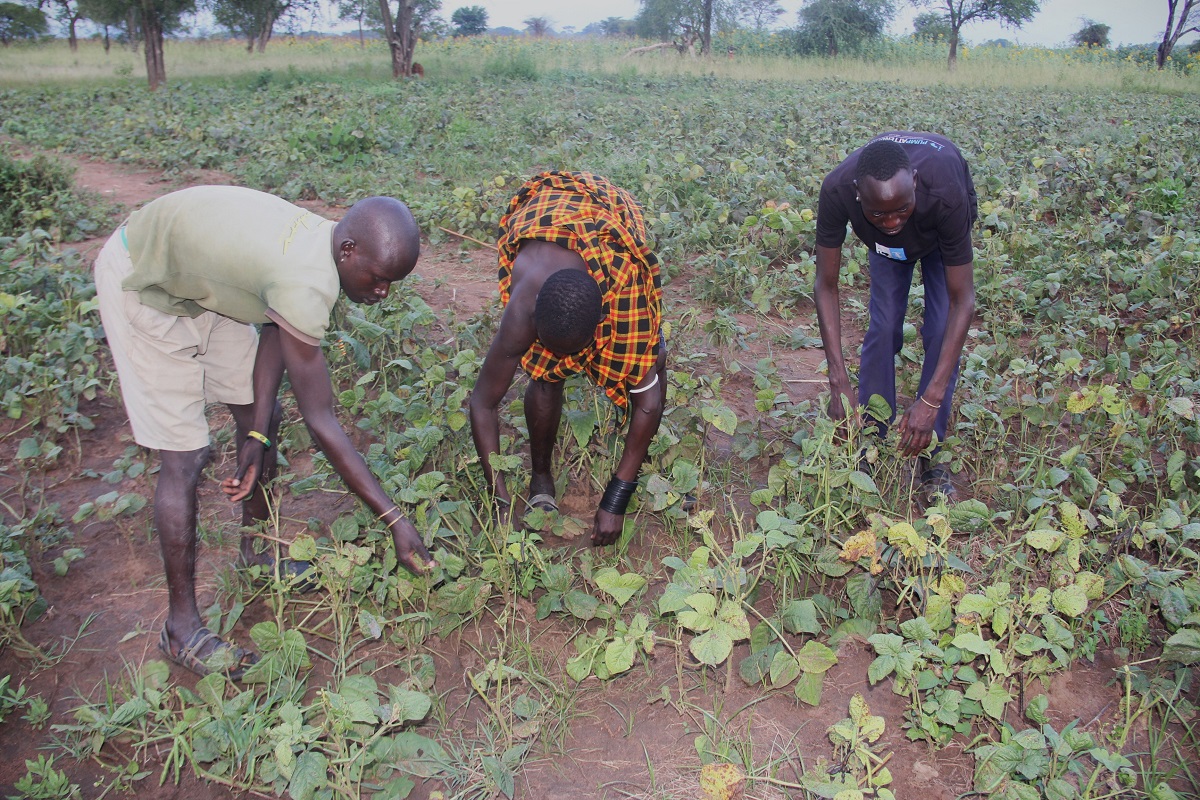
They spoke of “smart agriculture”, techniques that seemed alien to the Karimojong yet promised better yields and stable livelihoods. Initially, there was skepticism, but the hunger was a powerful persuader.
Surprisingly, Lokiru was among the first to listen and adapt, perhaps a spark of the old warrior’s curiosity, or deeper yearning for the change he hadn’t yet known.
During the community mobilization meetings, he sat on his local wooden stool, absorbing every word and demonstration. He keenly learned about selecting drought-resistant seeds, efficient water management techniques, the wisdom of crop rotation and the surprising benefits of diversifying beyond the traditional staple crops growing. He learned that the earth, if understood and treated with knowledge, could yield more than he had ever imagined.
The first attempts for most of the beneficiaries were cautious, but the results have since been undeniable.
Then came the introduction of new crops, groundnuts and various vegetables, not just for sustenance but for market. The concept of growing “for money” was revolutionary.
“I’m now a champion of smart agriculture. I know what to do for better yields,” Lokiru boasts, chest-thumping with pride as he takes us around his lush vegetables gardens.
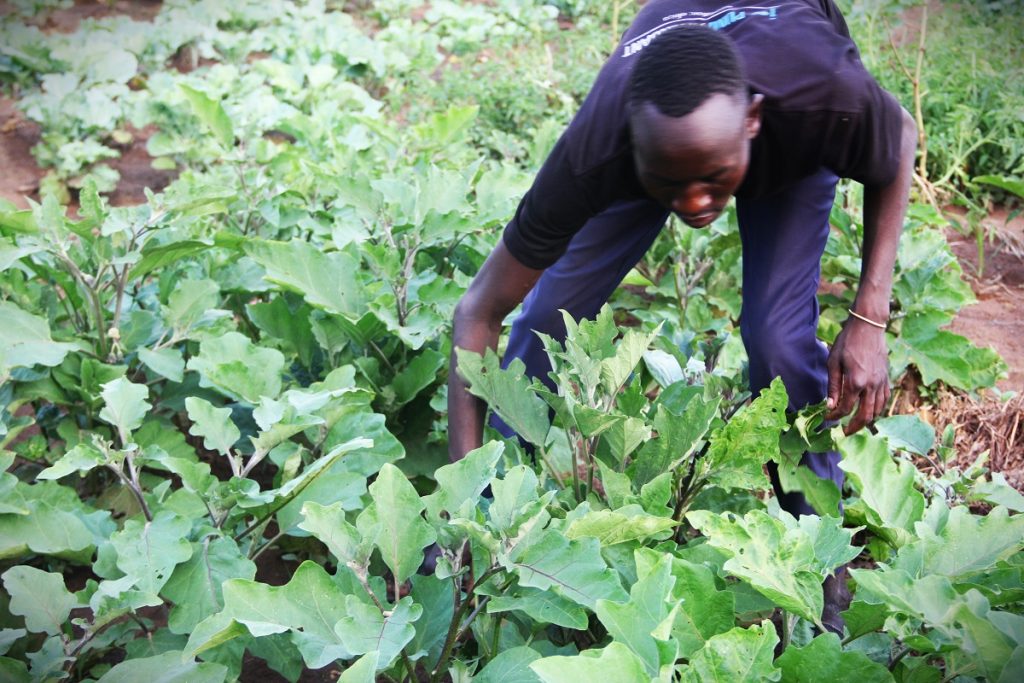
His hands, once quick to wield a spear, now carefully nurtured the soil. The call of the raid, once an irresistible siren, had faded to a whisper, replaced by the rustle of healthy crops and the joyful clamor of his children.
“I lost my father to cattle rustling. He was killed in a raid. It’s a culture that has claimed many young men in Karamoja and I’m happy that it’s no longer part of my lifestyle,” he added, a quiet solemnity replacing his former boldness.
The transformation in Lokiru’s home is mirrored across Nabilatuk where Vision TERUDO’s has supported and equipped 1,200 households to cope with climate change adversities and the testimonies are unanimous.
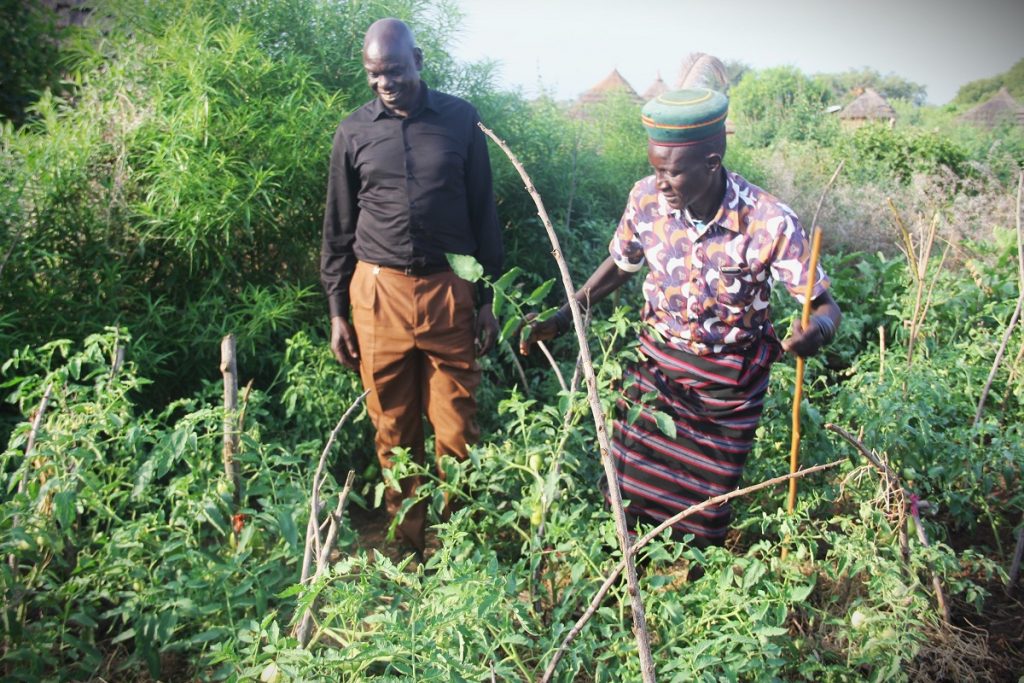
“For the first time in generations, the households here are consistently having three meals a day. Not just thick porridge, but a bounty of groundnuts, leafy greens and other nourishing foods,” Joseph Okello, the Project Officer explains.
James Peter Inyangat, Vision TERUDO’s Executive Director beams with satisfaction. “Traditionally, Karimojong are highly dependent on sorghum growing. We’ve transformed the thinking and many have taken to growing other crops for money like groundnuts and vegetables.”
He says, the shift isn’t just about food but empowerment and economic independence of Karimojong.
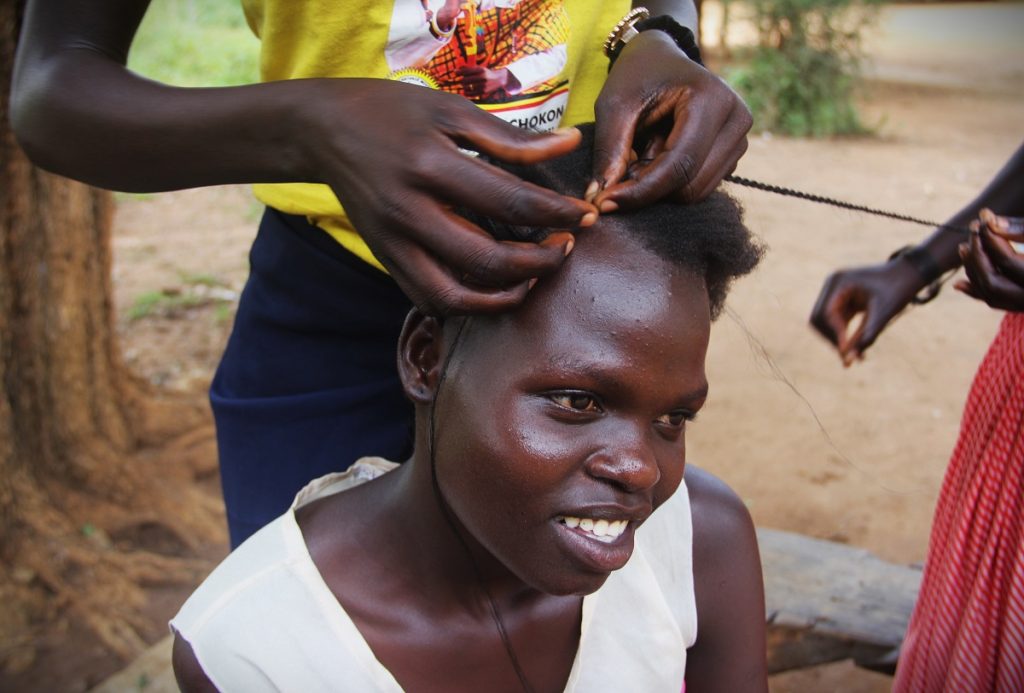
The ripple effect has since extended beyond the fields. Several youths, both girls and boys, who once saw limited opportunities beyond the cycle of cattle raids are now empowered with alternative skills for self-employment.
Girls have learned the intricate art of hairdressing, their nimble fingers weaving new patterns of hope while boys mastered welding, sparks flying as they forged a new future.
Others have found their calling in the warmth of a bakery, the scent of fresh bread a comforting promise of stability.
Once a symbol of struggle, Lolachat now stands as a testament to resilience, smart innovation and the transformative power of a nourished community. Lokiru, the former raider, now walks his fields with the quiet dignity of a farmer, his hands calloused by honest labor, his heart full of a peace he had never known. The future, once uncertain, was now growing green and bountiful.